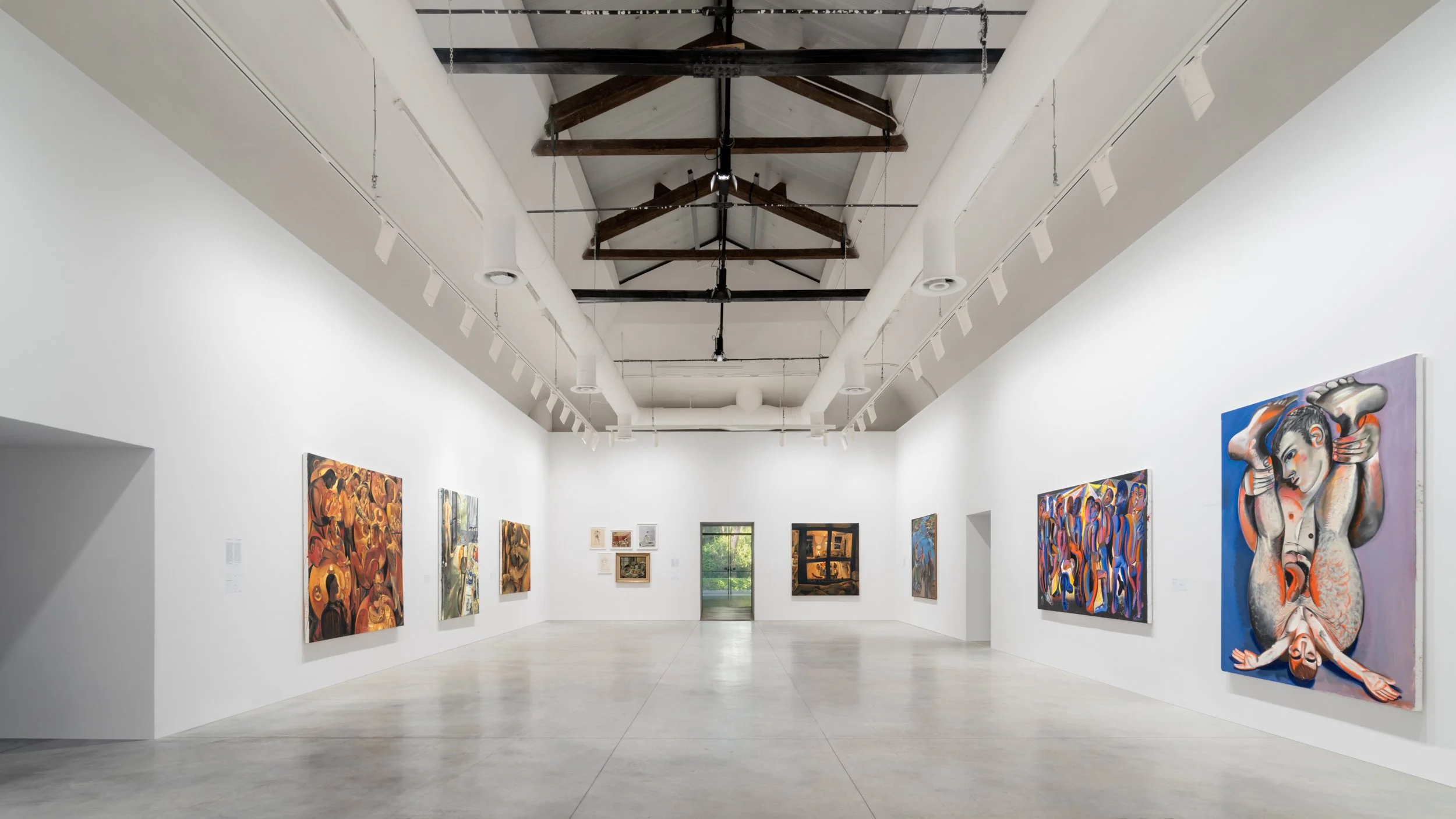
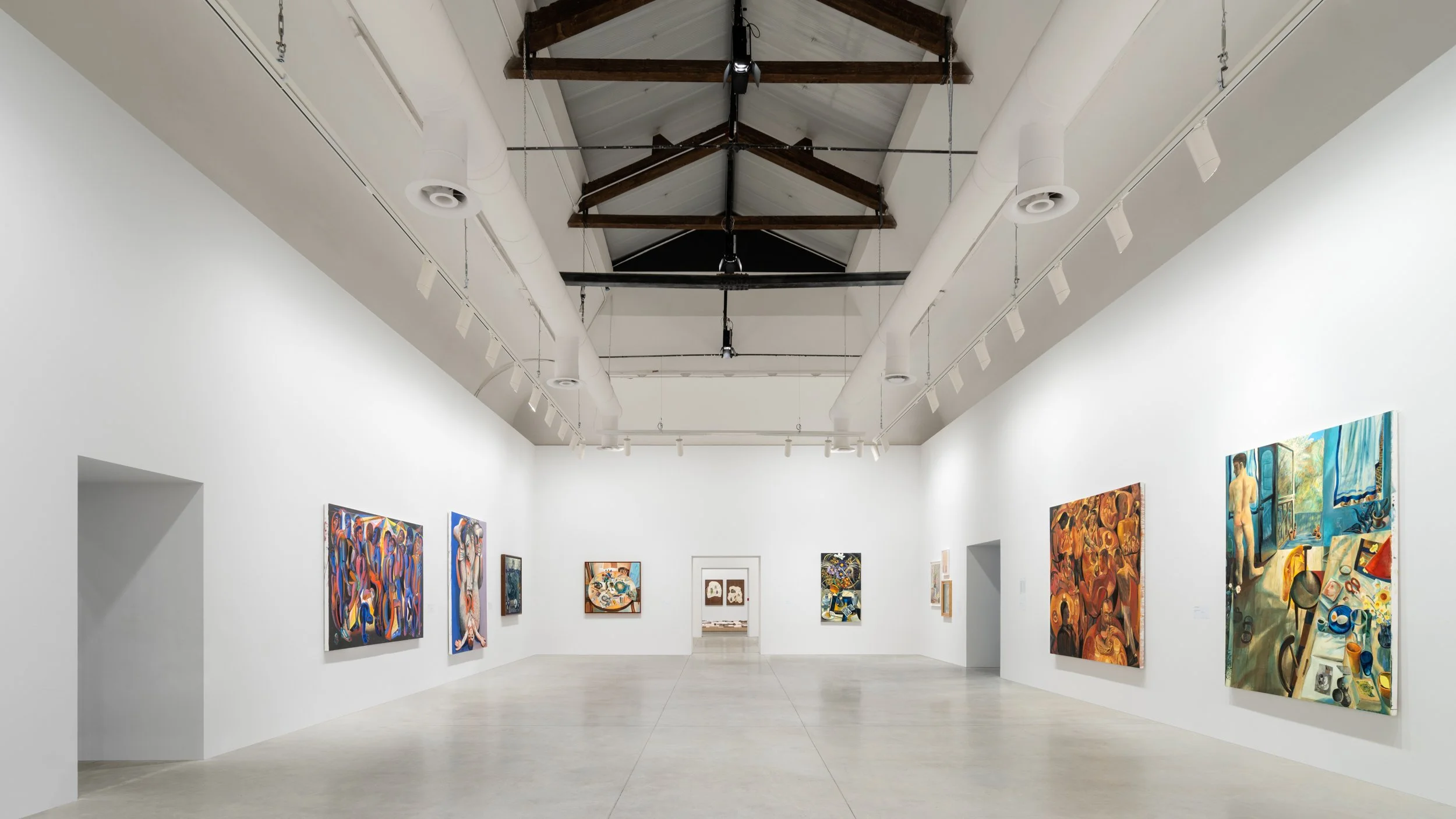
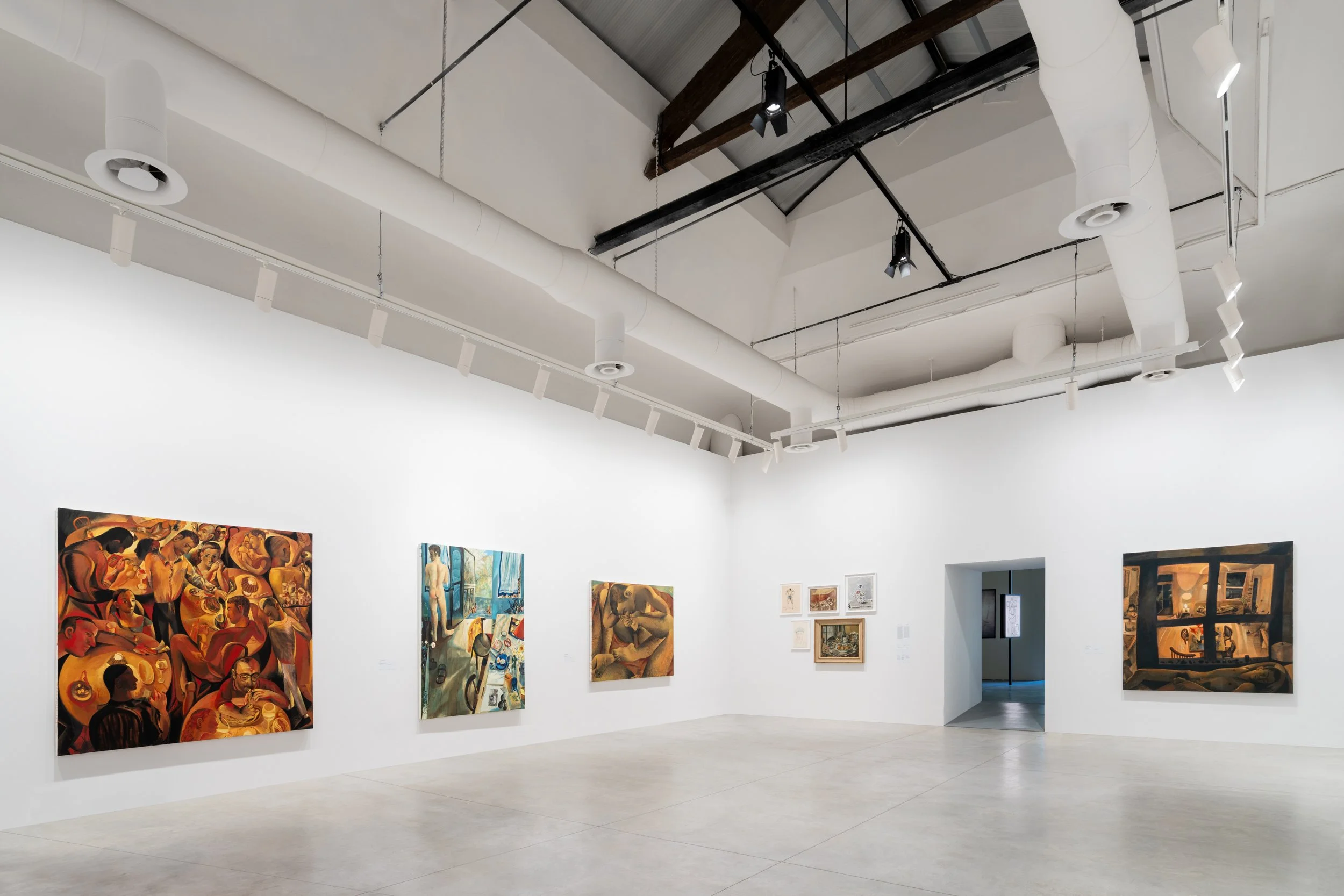
The Central Pavilion is the main building of the Biennale Gardens, in the Castello district. Built in 1894 as the Palazzo dell'Esposizione for the first Biennale the following year, it was transformed several times over the course of the twentieth century and today, together with the Arsenale, hosts the curated international exhibition that forms the heart of each edition. Unlike the surrounding national pavilions, it does not represent a country, but rather the project of the invited curator.
At the 60th International Art Exhibition, "Stranieri Ovunque – Foreigners Everywhere", directed by the Brazilian curator Adriano Pedrosa, the American painter Louis Fratino was among the participants in the Nucleo Contemporaneo, making his Biennale debut as one of the youngest artists invited.
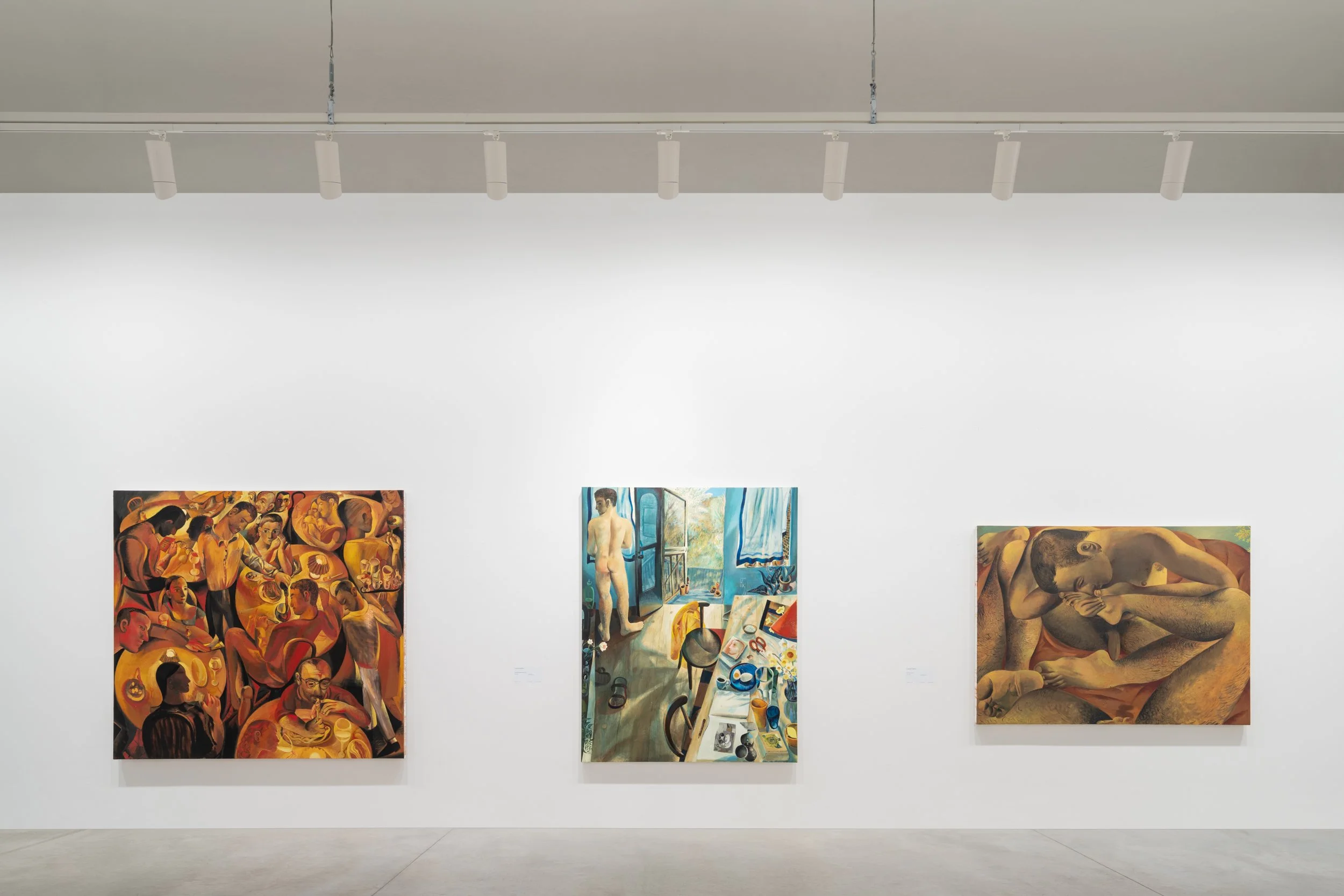
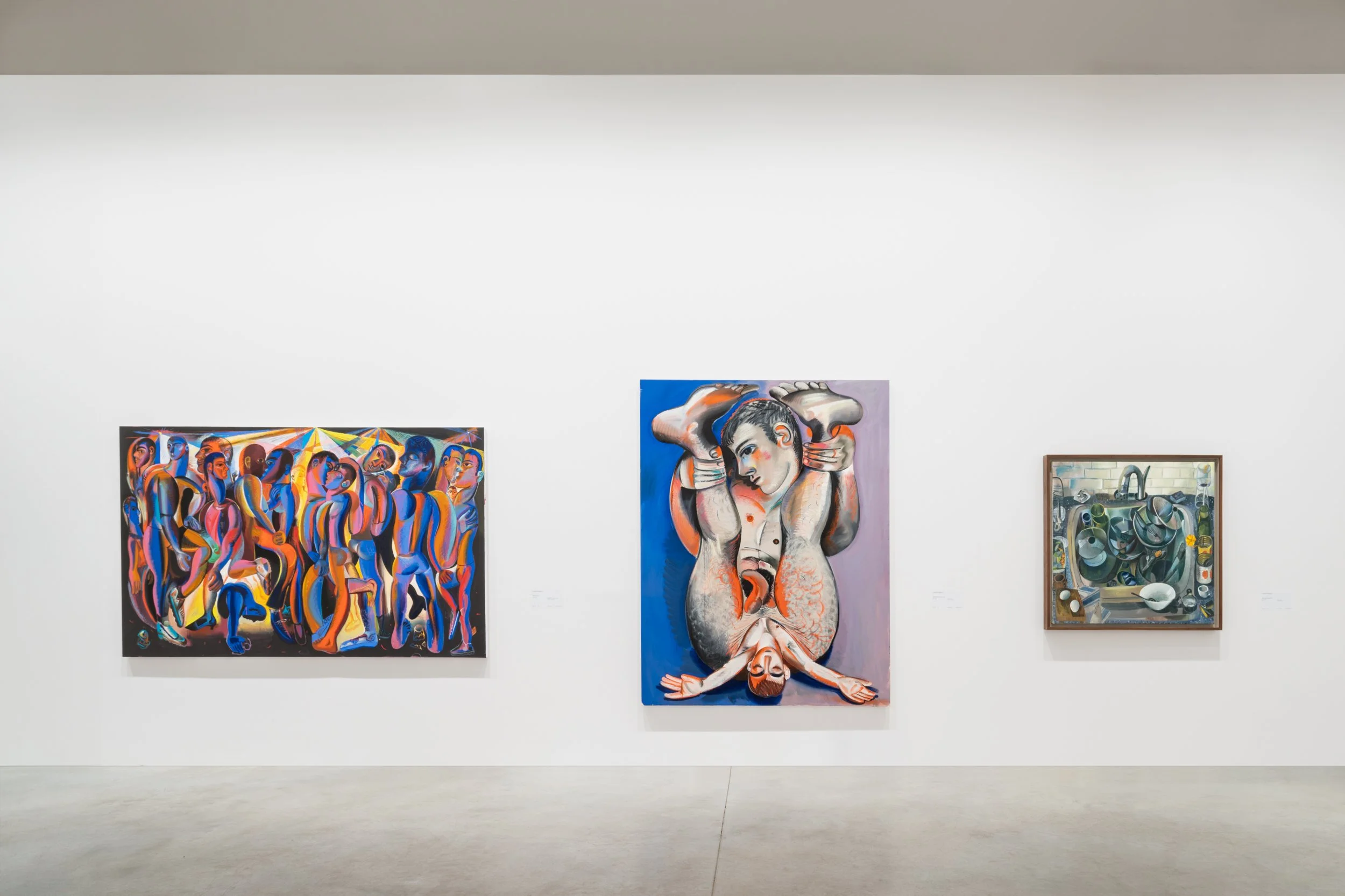
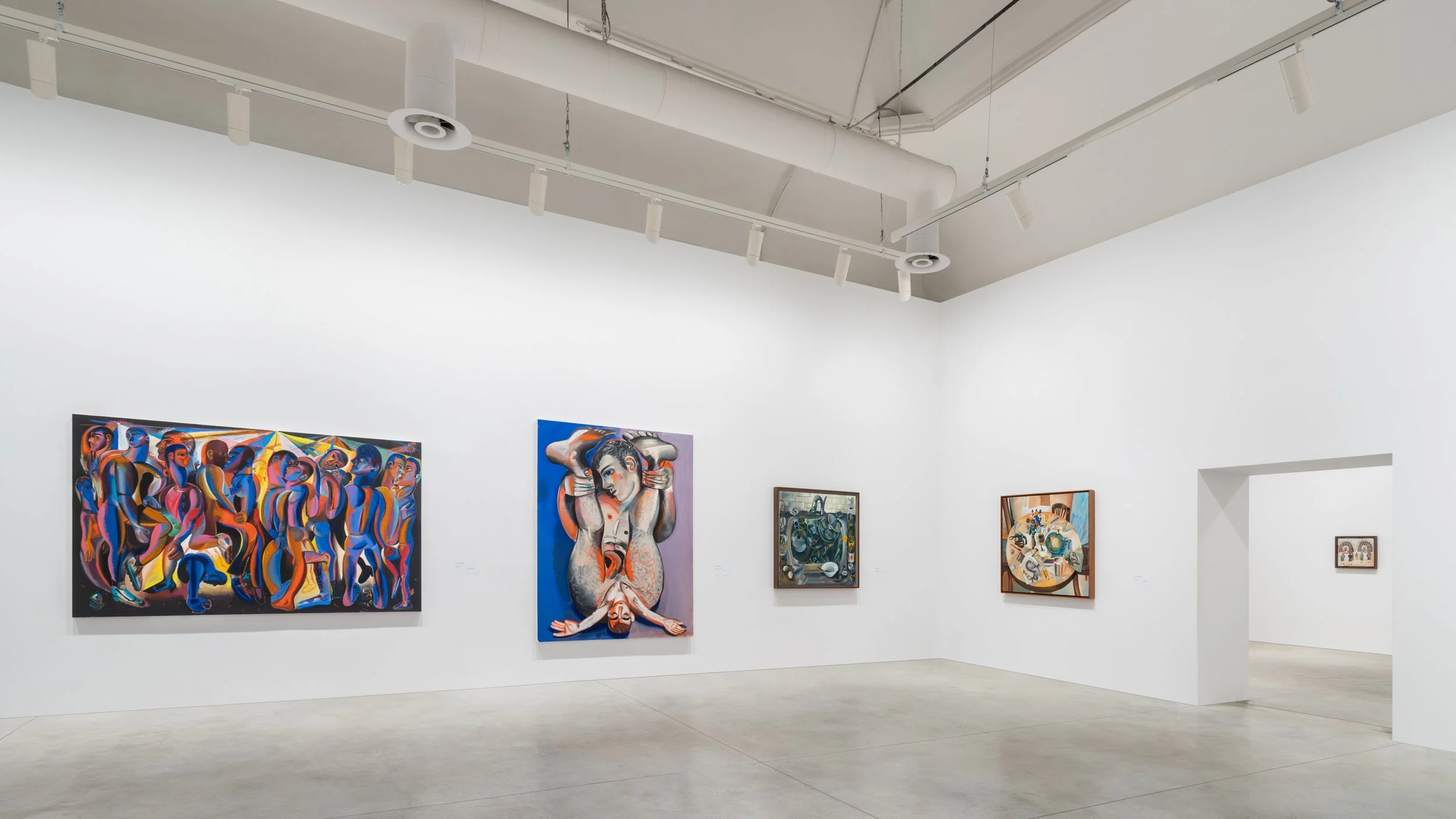
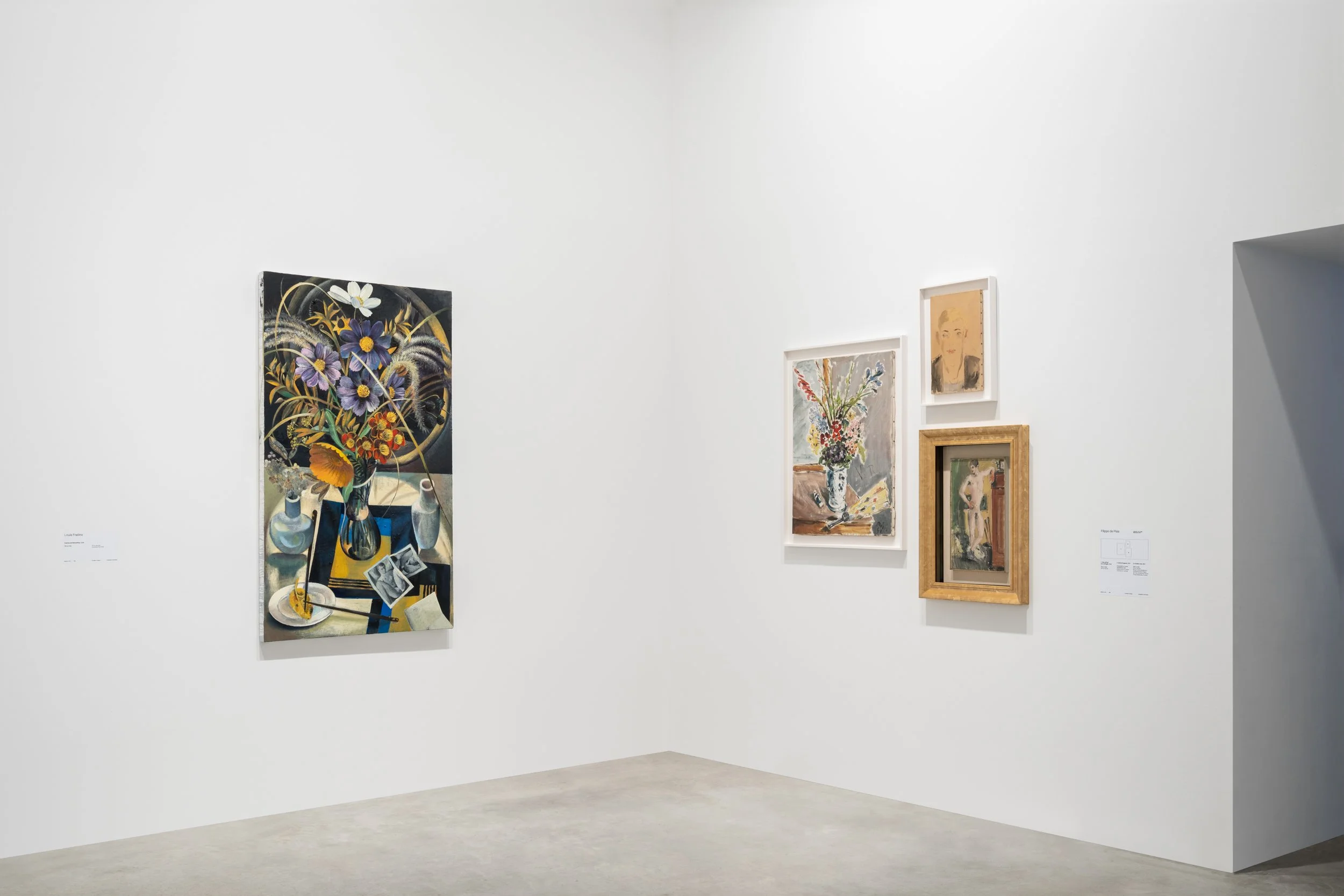
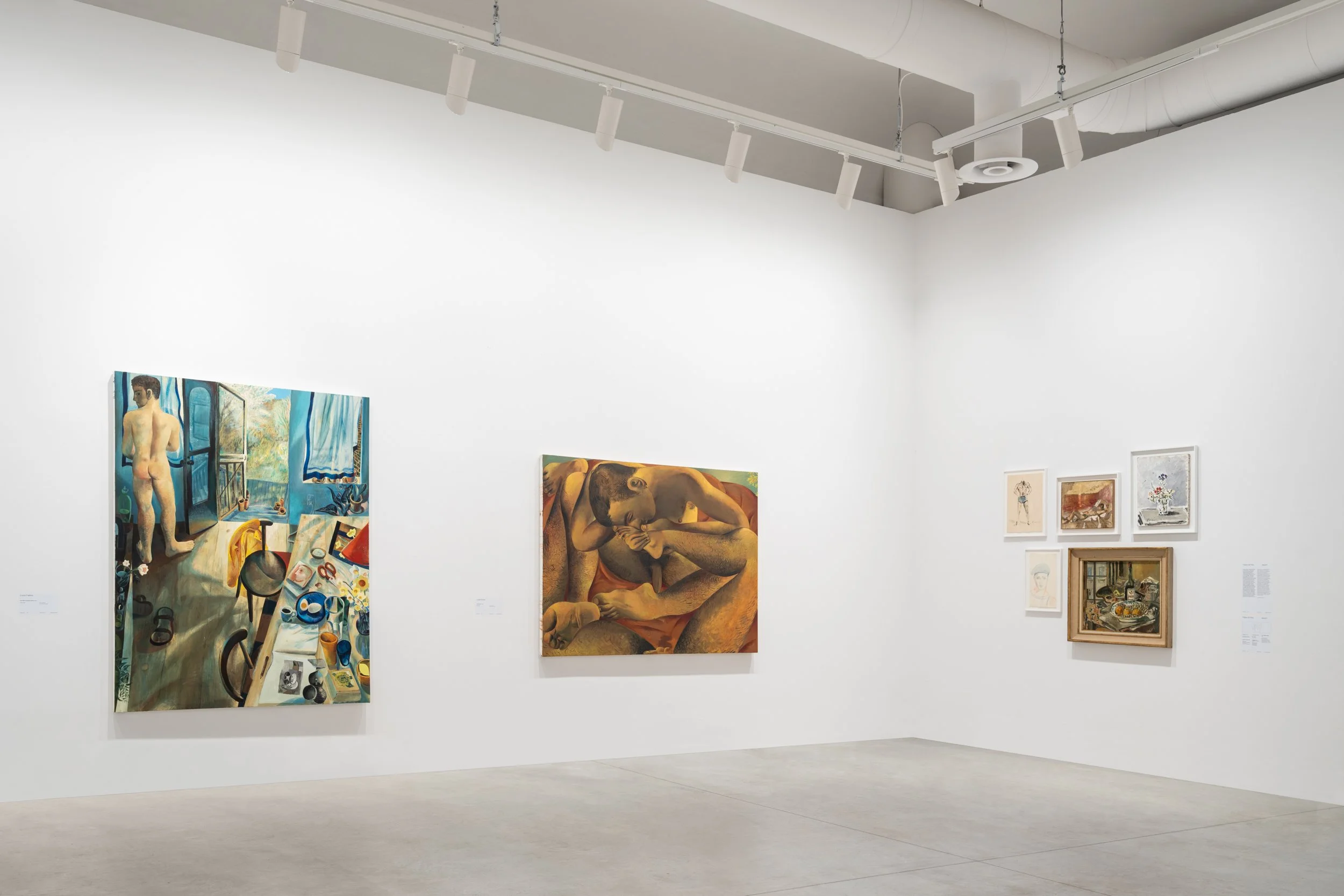
He was assigned a room in the Central Pavilion, where he presented a body of largely unseen paintings.
The themes of his work are the male body and domestic spaces as places of everyday queer intimacy, and the tension between the traditional image of the family and homoerotic representation.
The series created for Venice reflected on the ways in which LGBTQ+ people build forms of sociality in order to inhabit a world that treats them as "foreigners" a theme that fitted precisely into the overall framework of Pedrosa's exhibition.
As for the display, the room followed the register adopted by Pedrosa throughout the Central Pavilion: walls in saturated solid colours and a dense, painterly hang, without scenographic devices.
60th International Art Exhibition Biennale
Exhibition by Louis Fratino
Curated for Adriano Pedrosa
Photo for Louis Fratino and Marco Cappelletti
Photo for Louis Fratino and Marco Cappelletti Studio